CrowdStrike Buys a Better View of the AI Strike Zone
CrowdStrike is paying roughly $495 million for Fiddler AI and Dreadnode, extending Falcon into watching and testing AI agents.
CrowdStrike is spending roughly $495 million to answer a question most security teams cannot: what are our AI agents actually doing?
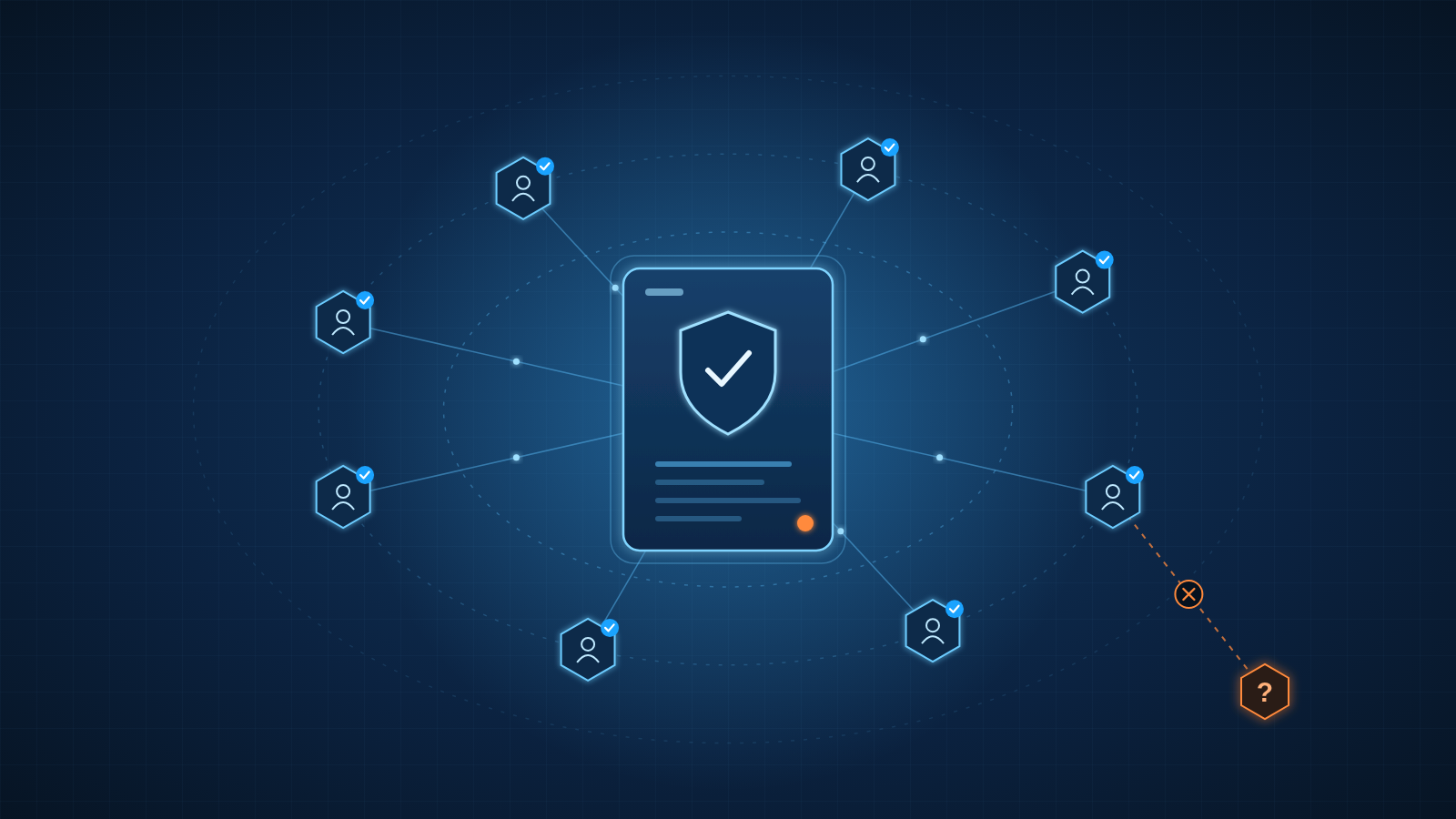
The company announced on November 3 that it will acquire Fiddler AI and Dreadnode, two startups that watch, test, and govern AI models and agents. The price is modest by CrowdStrike standards. The signal is not. The market for securing agents has moved from slideware to checkbooks, and a vendor deployed across a large share of enterprises and governments just told every CISO where it thinks the next control point sits.
What CrowdStrike bought
The Wall Street Journal reports CrowdStrike is paying about $400 million for Fiddler AI and about $95 million for Dreadnode. Both will be folded into the Falcon platform rather than sold as standalone products.
| Company | What it does | Becomes | Price (approx.) | Founded | Raised to date |
|---|---|---|---|---|---|
| Fiddler AI | Observability for AI agents running inside the enterprise | Falcon Observe | $400M | 2018 | ~$99M |
| Dreadnode | Automated security testing of AI models, apps, and agents before they go live | Part of Falcon Guardian | $95M | 2023 | $14M |
Source: Deal prices from The Wall Street Journal, as reported by TechCrunch, November 3, 2026. Founding dates and funding totals from PitchBook.
Fiddler AI gives customers a way to evaluate agents before deployment, understand their actions, and monitor what they do, with all of it flowing into Falcon as telemetry. Dreadnode finds flaws in AI systems pre-production and hands its results to Falcon Guardian as security policy recommendations. Falcon Guardian is the agent detection and response capability CrowdStrike has already been building, so Dreadnode fills in the testing half of a story the company was already telling.
Why now
AI adoption inside the enterprise is outrunning the policies meant to govern it. Teams and individual employees are experimenting with AI tools, automating workflows, vibe-coding custom apps (building software by prompting an AI rather than writing code), and deploying agents that act on their behalf. Every one of those agents holds credentials, touches data, and makes decisions. Most security teams cannot inventory them, let alone explain what they did yesterday.
CrowdStrike is not alone in seeing the opportunity. TechCrunch notes that startups such as HiddenLayer, Pluto Security, and Air, along with established vendors like Zenity, have raised large rounds on a shared conviction: existing security tools were not built to see or control AI agents, their connectors, or how they are used. Gartner has published a forecast that puts the market for securing AI at nearly $5 billion in 2027. The money is following the problem.
Three things that stand out
In baseball terms, CrowdStrike just bought a scouting department and a pitching coach. Fiddler watches every pitch. Dreadnode fixes the mechanics before the game starts. That pairing tells us a great deal about how CrowdStrike sees the problem.
1. Visibility comes before control. You cannot secure an agent you cannot see. Observability, meaning a continuous record of what an agent was asked, what it decided, and what it did, is the foundation every other agent control depends on. Telemetry is also the currency of the Falcon platform. Fiddler gives CrowdStrike a new stream of it, from a part of the enterprise its sensors could not previously read.
2. AI security testing is moving earlier in the lifecycle. Catching a flawed agent before deployment is cheaper than explaining it after the incident. Dreadnode turns testing results into policy recommendations, which closes the loop between what a team learns in testing and what the platform enforces in production. That is the right design. Findings that never become controls are just reports.
3. The startups were right, and now they are getting paid. The entire AI security startup wave rests on the premise that legacy tools cannot govern agents. CrowdStrike, by buying rather than building, has effectively agreed. The multiples say the same thing. Fiddler raised about $99 million and sold for roughly four times that. Dreadnode raised $14 million and sold for nearly seven times that, three years after its founding. CrowdStrike is paying for capability and time to market.
Why the platform bet should hold
Best-of-breed AI security vendors will make a fair argument. A capability folded into a larger suite can move at the suite's pace, and agent behavior is changing faster than most product roadmaps. Integration also takes real engineering work after closing day.
CrowdStrike's track record answers most of that. As I noted in Platform or PowerPoint?, Falcon earned its platform status by extending a single agent into identity, cloud, and exposure management, with Threat Graph as the shared spine the other capabilities plug into. CrowdStrike has stayed committed to that architecture, bringing new capabilities into Falcon rather than running them as a side portfolio, and its plans for these two deals follow the same pattern. Three of the six tests from that piece show why.
- A shared data plane. Fiddler's agent telemetry is slated to feed the broader Falcon platform, extending the data plane into a part of the enterprise CrowdStrike could not previously see.
- A single set of unified policies. Dreadnode's findings will surface as security policy recommendations in Falcon Guardian, so what a team learns in testing becomes what the platform enforces.
- Orchestration for capability enablement. Falcon Observe arrives as a Falcon module, plugging into the workflow customers already run rather than as a parallel deployment with its own console.
That is what a platform acquisition should look like. Security teams are short on people and long on consoles, and an agent security capability that arrives inside the platform they already run will often beat a standalone product that arrives as one more dashboard. Buyers should still ask to see the integration demonstrated. I expect CrowdStrike will be able to show it.
What security leaders should do now
Let's face it, agents are already running in your environment, whether or not your policies have caught up. This deal does not change that. It changes what you can reasonably demand from your vendors.
- Inventory your agents. Start with the ones you know about: who built them, what credentials they hold, and what data they can reach. The ones you do not know about are the reason observability matters.
- Ask your vendors two questions this quarter. Can you show me what every agent did yesterday? How did you test it before it went live? If the answer is a roadmap slide, you have your answer.
- Treat agent testing as a release gate. No agent reaches production without a security test, the same standard you already apply to code.
- Weigh platform against best-of-breed honestly. If you run Falcon, ask for the roadmap and a demonstration of Falcon Observe and the Dreadnode capability so you can plan agent coverage around them. If you do not, use this deal as a benchmark in your own vendor conversations.
CrowdStrike bought a scouting department and a pitching coach. The rest of the league will be shopping for the same. The teams that win will be the ones that know who is on the mound, before the first pitch is thrown.
Sources
- CrowdStrike to shell out nearly $500M for 2 AI security startups as the market for securing agents takes off, TechCrunch, November 3, 2026
- CrowdStrike to acquire Fiddler, CrowdStrike blog
- Gartner forecasts the market for securing AI will reach almost $5 billion in 2027, Gartner, August 26, 2026
Explore Topics
Written by
Frank Dickson
Frank Dickson is a cybersecurity industry analyst, author, and the founder of Dickson Research, which provides independent market intelligence for vendors, investors, and enterprise strategy teams. He is regularly quoted in the technology press.